



Source: Marques Brownlee
Thank you for reading this post, don't forget to subscribe!
MKBHD video A/B testing: What You Need to Know
THE TL;DW
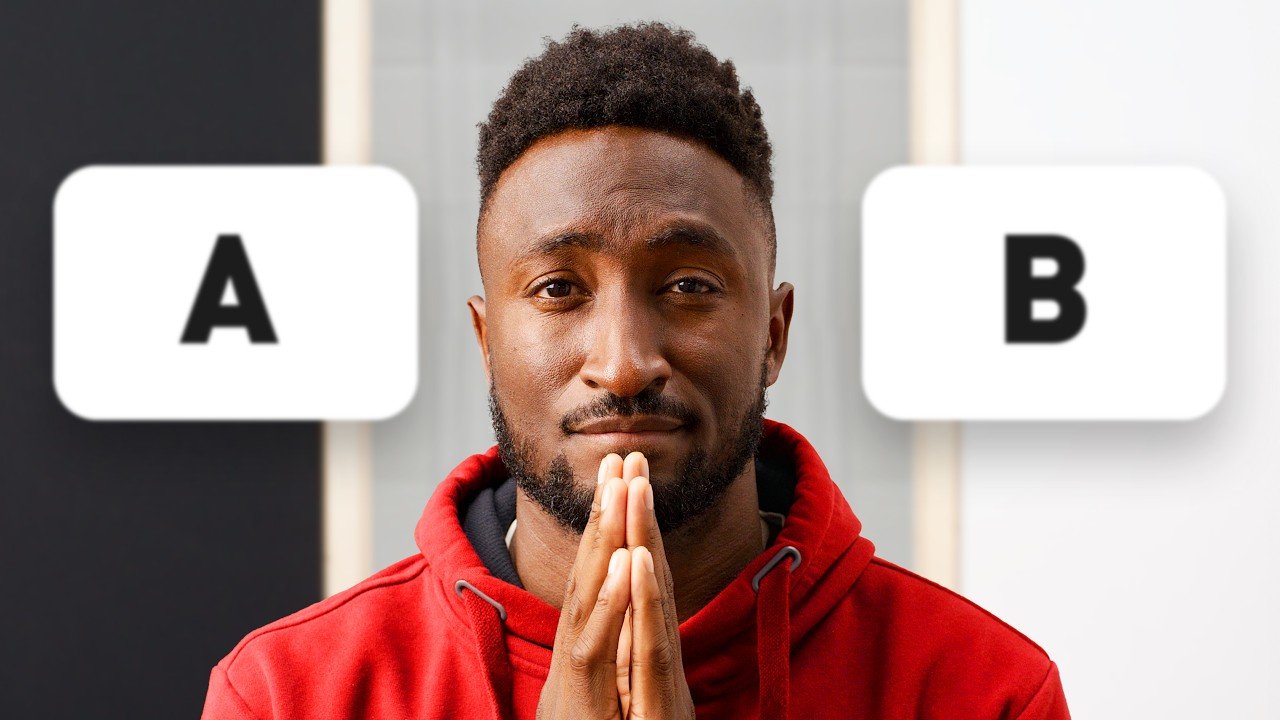
- Marques Brownlee dedicates this “Dear YouTube” episode to YouTube’s newly announced video A/B testing feature, letting creators upload different cuts of a video for MKBHD video A/B testing comparisons.
- He explains creators will be able to compare retention graphs across up to three versions of a video before locking in a final cut.
- Brownlee raises unresolved questions about viewer experience — like how comments and timestamps work if two people watched different edits of the same upload.
The Jupiter Take
YouTube unveiled the feature at its Made on YouTube event as a way to let creators test different opening hooks or edits, and MKBHD — who’s been vocal about testing tools before — is using his platform to flag the logistical mess it could create for viewers. This isn’t just tech-tuber grumbling: it’s one of the platform’s biggest shifts to how videos get finalized in years.
Context
YouTube’s push into video-level A/B testing builds directly on tools it already had in place for titles and thumbnails, which rolled out globally to creators in December 2025 and let channels test up to three variants with winners picked by watch time rather than raw clicks. Brownlee has a track record of pushing back on this kind of testing — back in August he said that if he ran YouTube, fixing how constantly shifting titles and thumbnails confuse returning viewers would be a top priority. This new feature goes further, letting creators upload entirely different cuts of the same video and let YouTube’s algorithm serve them to real audiences to see which version holds attention longest.
According to reporting on the announcement, YouTube presented the feature as a way for creators to test different opening hooks or edits and determine which version keeps viewers watching for longer, with YouTube reportedly using a semantic similarity model to stop creators from A/B testing wildly different videos under the same test. Brownlee says he spoke directly with YouTube engineers to understand the guardrails, but his core worry — how comments, timestamps, and shared viewing experiences hold up when two viewers may have watched different versions of the “same” video — remains unanswered. For a deeper look at how MKBHD’s earlier phone reviews have landed, JupiterFeed’s coverage of his iPhone 18 Pro review shows the kind of scrutiny he regularly brings to major platform and product shifts.