



Source: Linus Tech Tips
Thank you for reading this post, don't forget to subscribe!Linus Tech Tips Blu-ray discs: What You Need to Know
THE TL;DW
- Linus Tech Tips revisits optical media, arguing burning Blu-ray discs and M-DISCs is a legitimately smart archiving option right now, not a nostalgic gimmick.
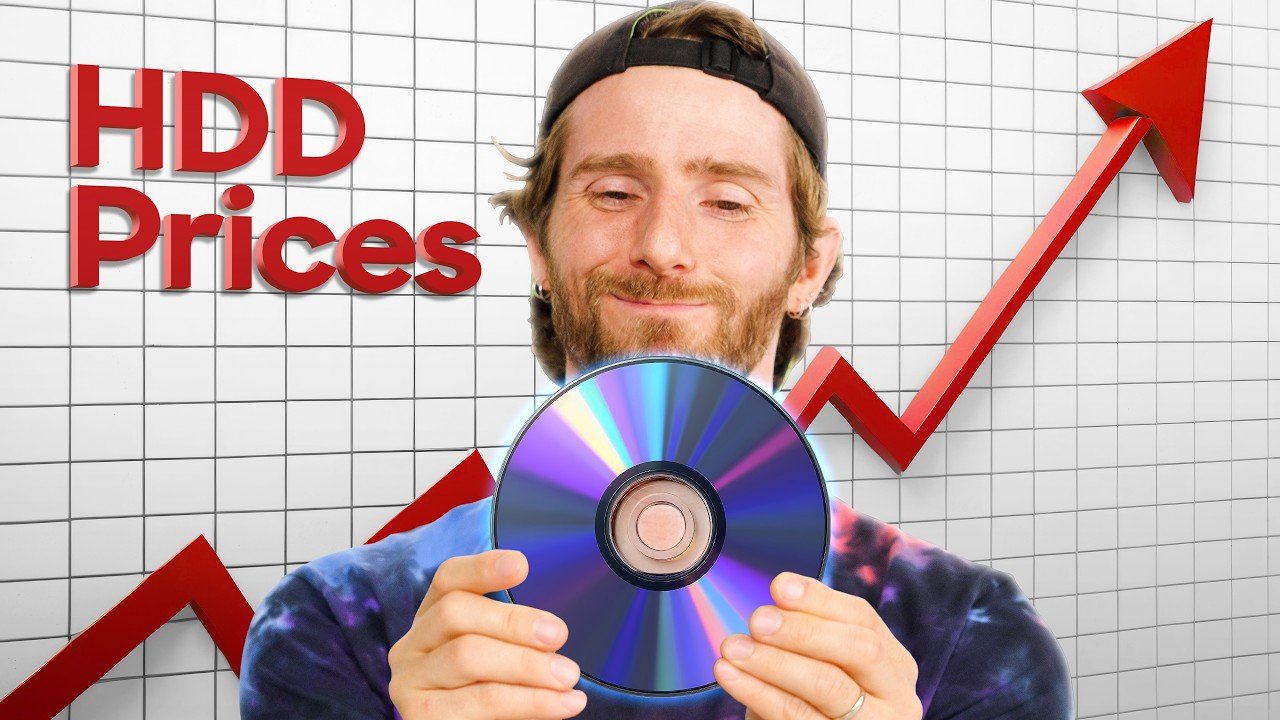
- The video’s core pitch — the Linus Tech Tips Blu-ray discs argument — centers on cost per gigabyte, claimed multi-decade lifespans, and suitability for cold storage compared to spinning hard drives.
- It weighs trade-offs against traditional HDDs and tape, including burn speeds and the hassle of physically managing discs versus a networked drive array.
The Jupiter Take
The video lands as SSD and hard drive prices have spiked dramatically industry-wide, making even old-school optical storage worth a second look for cost-conscious archiving. Linus Sebastian frames this as a practical cost analysis rather than a nostalgia trip, betting viewers will take the pitch seriously given current market pain.
Context
The timing isn’t coincidental. Storage prices have been climbing sharply through 2026 as AI data centers absorb the bulk of global NAND and hard drive supply — one industry survey found NAND contract prices up 70% to 75% in a single quarter earlier this year, with consumer SSDs and even basic hard drives seeing similar jumps as hyperscalers buy up capacity no individual consumer can compete with. That squeeze has pushed prices for everything from portable SSDs to bulk 3.5-inch drives well above where they sat a year ago, with little relief expected before 2027 according to multiple market analysts.
Optical formats like Blu-ray and M-DISC have long been a niche pick for archivists precisely because they don’t rely on spinning platters or flash cells that degrade or need power to stay reliable, making them attractive for true cold storage. Linus Tech Tips has built a channel-wide reputation for stress-testing unconventional storage and networking ideas — from cardboard home theater mockups to high-end PC builds — and this video applies that same practical lens to a format most viewers assumed was long obsolete.