




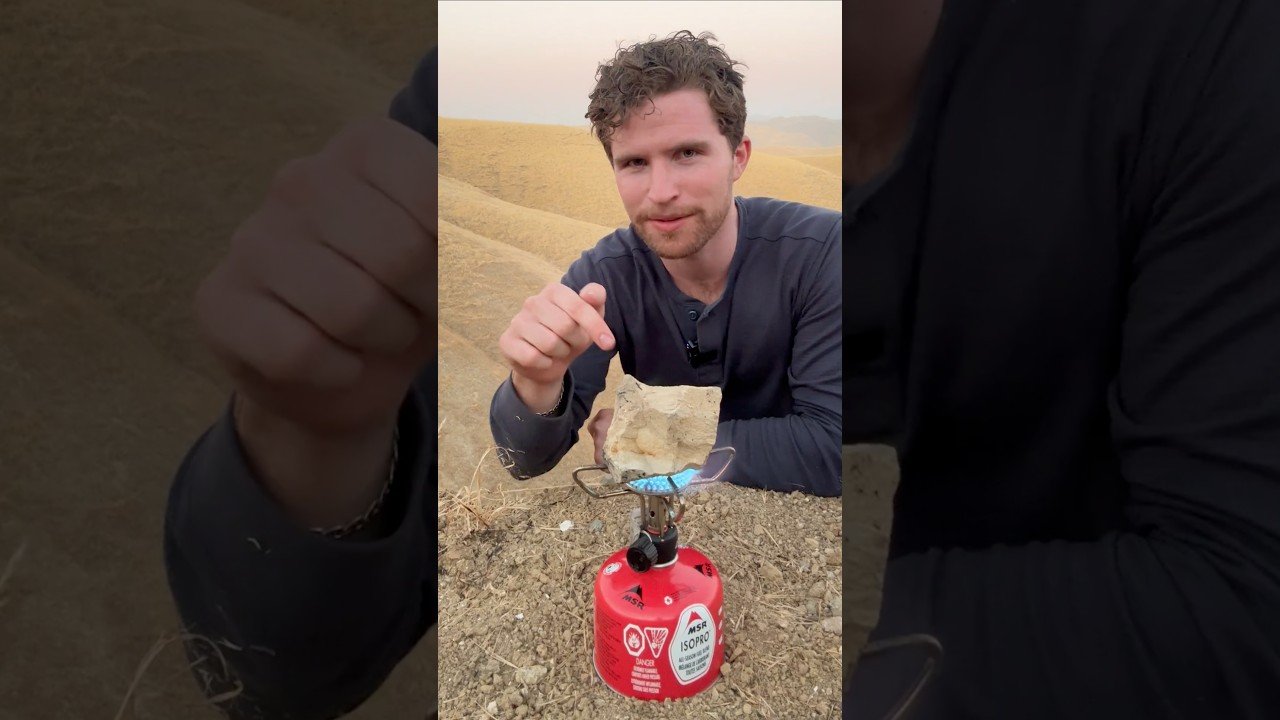
Source: Veritasium
deserts get cold at night: What You Need to Know
THE TL;DW
- Veritasium tackles a classic desert mystery: how the same patch of ground can be blistering hot by day and near-freezing just hours after sunset.
- The explanation centers on why deserts get cold at night so fast compared to other climates, pointing to how dry air and sand behave differently from humid, vegetated land.
- The video uses real-world desert examples to show just how extreme the day-to-night temperature swing can get.
The Jupiter Take
This is a classic Veritasium-style science explainer, taking an everyday observation most people have heard of but never fully understood and breaking down the physics behind it. The topic lines up with the channel’s usual mix of thermodynamics and Earth science deep dives.
Context
Deserts are famous for extreme temperature swings, and the underlying reason comes down to a mix of humidity, cloud cover, and the physical properties of sand itself. Sand heats up fast in the day and cools just as fast at night because of its low heat capacity. Without moisture in the air or soil to trap and slowly release that heat the way forests, lakes, or plains do, the ground radiates its warmth straight back into a clear night sky almost as quickly as it absorbed it.